The African Sovereign Debt Justice Network (ASDJN) suggests that Malawi’s ban on raw mineral exports could transform the sector from an isolated enclave into a primary driver of inclusive growth.
In its latest update (No. 169), the network observes that despite being resource-rich, Malawi has historically failed to capitalise on its mineral wealth.
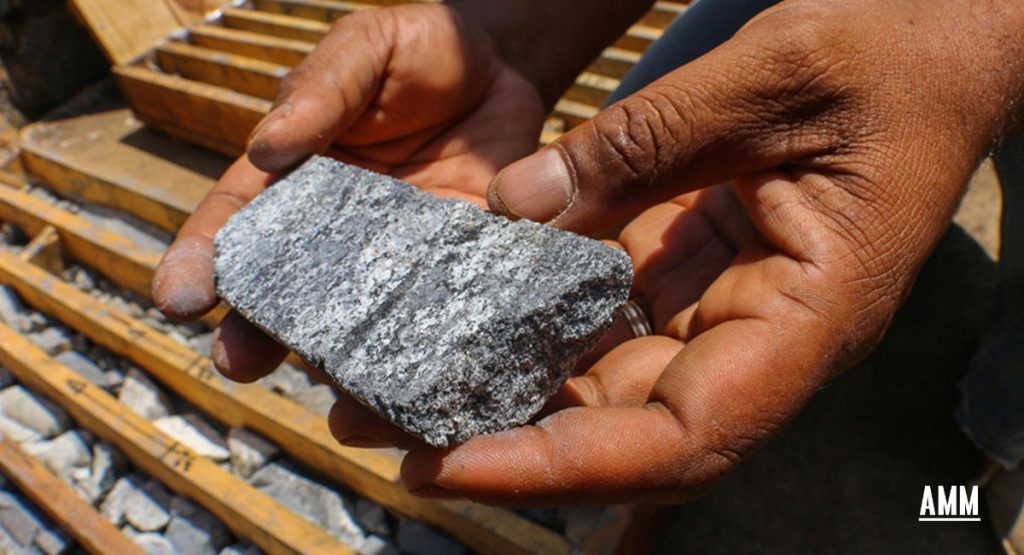
in Lilongwe Rural. | Nation
The success of this strategy hinges on institutional reform, industrial capacity building, and sustained political commitment.
By temporarily halting new licences, the government is asserting regulatory control over the sector’s expansion rather than leaving its trajectory to market forces alone.
In the report themed “Reclaiming Value Through Mineral Beneficiation: Malawi’s Suspension of Mining Licenses and Ban on Raw Mineral Exports,” the ASDJN notes that these measures, including a registry audit, mark a critical inflection point in mineral governance.
The update states: “Aligned with the Africa Mining Vision, this policy shift embraces mineral beneficiation as a pathway to industrialisation and structural transformation.
By retaining greater value domestically, Malawi is challenging the traditional pattern of exporting unprocessed commodities for negligible local gain.”
Like many resource-rich African nations, Malawi has long exported raw materials with minimal downstream processing, all while grappling with fiscal pressure, debt sustainability issues, and foreign exchange shortages. The country’s diverse mineral portfolio includes rare earth elements, uranium, graphite, bauxite, and precious gemstones like rubies and sapphires.
Alongside the licensing freeze, the government’s ban on raw exports signals a move toward a more protective, value-added economic model. If executed effectively, this strategy aims to ensure that the nation’s finite resources contribute directly to long-term macroeconomic stability and local development.
Malawi’s pivot toward mineral beneficiation reflects a broader continental trend.
According to recent data, several African nations have adopted policies to restrict raw mineral exports in favour of domestic processing. In June 2023, Namibia banned the export of unprocessed lithium and critical minerals.
By May 2025, Guinea tightened sector oversight by revoking 46 mining licences.
Similarly, in June 2025, Zimbabwe announced a 2027 ban on raw mineral exports to promote value addition, while Tanzania mandated in-country gold processing.
Ghana followed suit in February 2026, introducing policies to strengthen local content and downstream operations.
Ironically, following these restrictions, Malawi’s Department of Mining collected a paltry K70 million in revenue during the 2025/26 fiscal year, an 89 percent drop from the projected K665.45 million, as detailed in the 2026 Annual Economic Report.
Despite shrinking revenues, the mining industry grew by 5.3 percent in 2025, bolstered by high demand for rock aggregates for construction projects.
Minister of Energy and Mining Jean Mathanga noted that these policies aim to ensure the sector, which currently contributes roughly one percent to Gross Domestic Product, “fully contributes to the country’s economic growth”.
Under the Malawi 2063 development strategy, mining is prioritised as a primary driver to propel the nation toward upper-middle-income status.
While the sector’s current contribution is minimal, it historically accounted for approximately 10 percent of the national economy prior to 2014, highlighting its significant latent potential for revitalisation through these strategic, albeit currently disruptive, structural shifts.